Stove.co.za explains what a stove is, how it works, the different types of stoves, and how to choose the right stove for your home in South Africa.

What is a stove – Definition, Types, Uses & How It Works Explained
What Is a Stove?
A stove is one of the most essential appliances in any home. It is used every day to prepare meals, boil water, fry food, and in many cases, bake. While most people use a stove daily, not everyone fully understands what a stove is, how it works, or the different types available.
In simple terms, a stove is a heat-producing appliance designed for cooking food. It can use gas, electricity, or other fuels to generate heat on a flat surface or burners. In South African homes, stoves are a central part of the kitchen and an important consideration when dealing with challenges like load shedding, energy costs, and space limitations.
This guide explains what a stove is, how it works, the different types of stoves, and how to choose the right one for your home.
What Is a Stove Used For?
A stove is primarily used for cooking food. It provides controlled heat that allows you to prepare meals safely and efficiently.
Common uses of a stove include:
- Boiling water
- Frying and sautéing food
- Simmering sauces and stews
- Cooking rice, pasta, and vegetables
- Baking and roasting (when combined with an oven)
In many households, the stove is used multiple times a day, making it one of the most relied-upon kitchen appliances.
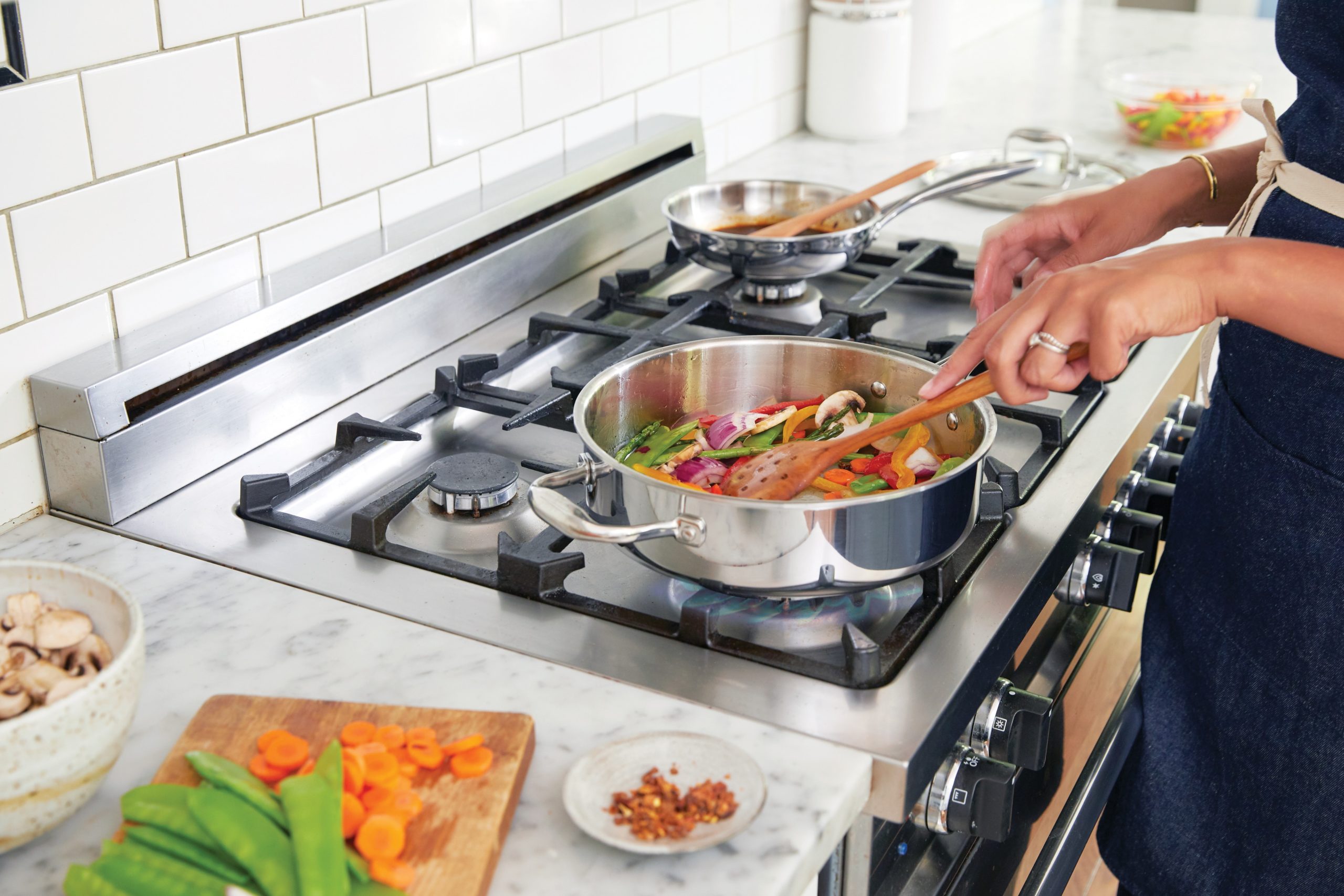

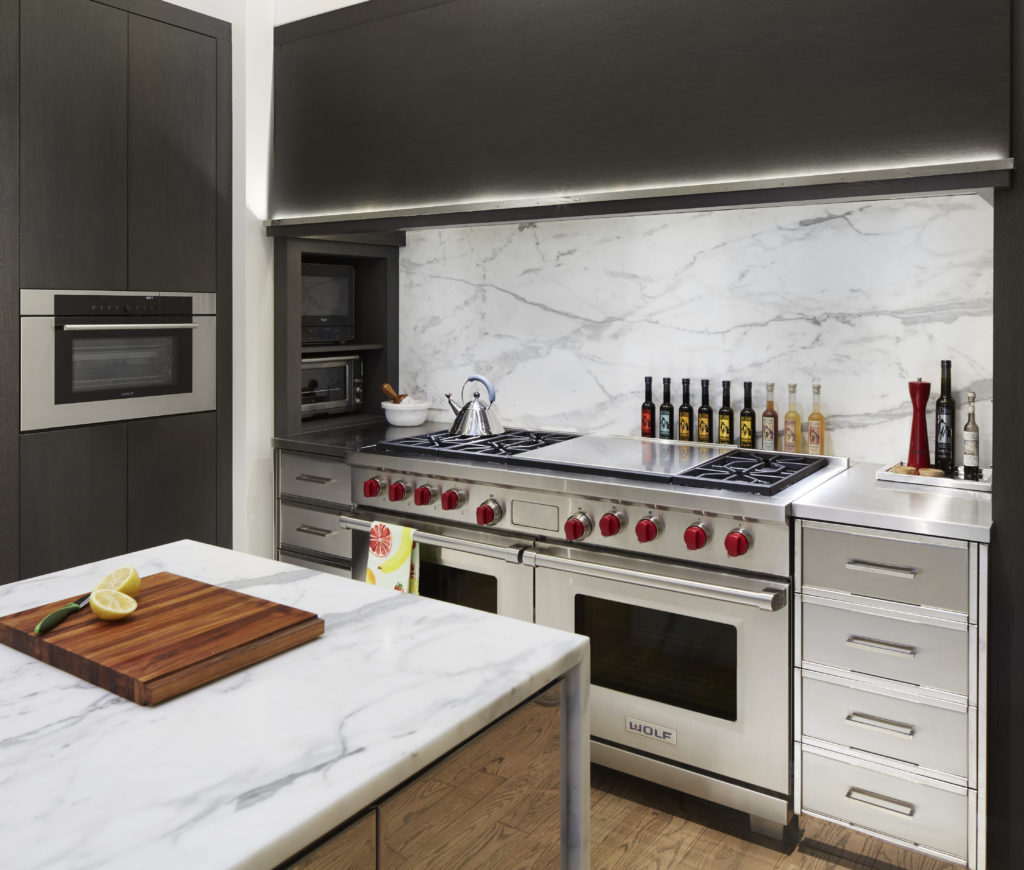
Main Parts of a Stove Explained
Although designs vary, most stoves share the same basic components.
Cooktop or Burners
This is the top surface of the stove where pots and pans are placed. It may have gas burners, electric plates, or a smooth glass surface.
Heating Source
- Gas stoves use an open flame.
- Electric stoves use heating elements or induction technology.
Control Knobs or Touch Controls
These allow you to adjust the heat level for each burner or plate.
Oven (If Included)
Many stoves include an oven underneath the cooktop for baking, grilling, and roasting.
Power or Gas Connection
Electric stoves connect to a dedicated electrical supply, while gas stoves connect to an LPG bottle or gas line.
Types of Stoves
Not all stoves are the same. The right stove depends on your cooking habits, budget, and energy availability.
Gas Stoves
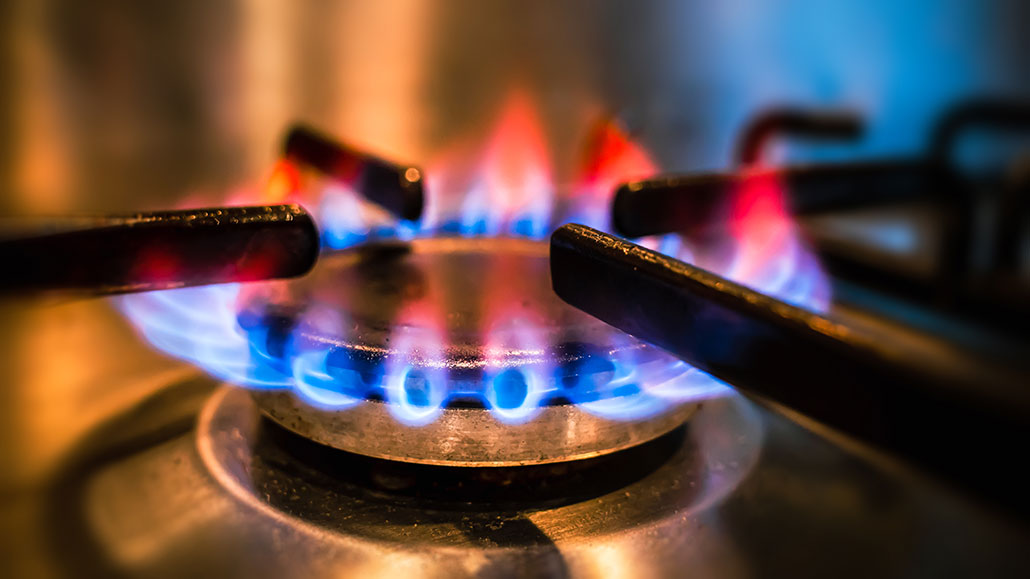
Gas stoves use LPG or natural gas to create a flame.
Advantages:
- Work during load shedding
- Instant heat and precise control
- Often cheaper to run than electricity
- Preferred by many professional cooks
Considerations:
- Require good ventilation
- Gas bottles must be refilled or replaced
- Proper installation is essential for safety

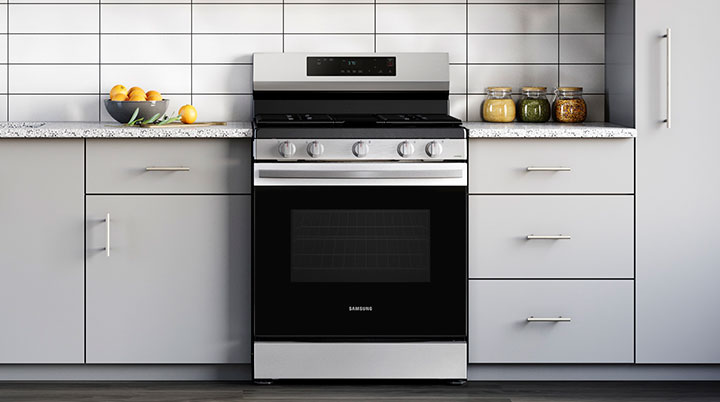
Electric Stoves
Electric stoves use electricity to heat plates or a smooth glass surface.
Advantages:
- Easy to clean
- No open flame
- Widely available in South African homes
Considerations:
- Do not work during load shedding
- Can increase electricity bills
- Require correct wiring and an isolator switch


Freestanding vs Built-In Stoves
Freestanding Stoves
- All-in-one unit with cooktop and oven
- Easy to install and replace
- Ideal for most homes
Built-In Stoves
- Separate hob and oven units
- Modern, custom kitchen look
- Usually more expensive
- Require professional installation
Stove vs Oven: What’s the Difference?
This is a common source of confusion.
- A stove refers to the cooktop used for pots and pans.
- An oven is an enclosed compartment used for baking and roasting.
Many appliances combine both into one unit, which is why people often use the terms interchangeably. Technically, the stove is the top cooking surface, while the oven is a separate function.
How Does a Stove Work?
The way a stove works depends on its power source.
Gas Stoves
Gas flows to the burner and is ignited to produce a flame. The flame heats the cookware directly, allowing fast and adjustable cooking.
Electric Stoves
Electric current heats internal elements or plates. These elements then transfer heat to pots and pans placed on top.
Both systems are designed to deliver controlled heat safely when installed and used correctly.
Which Type of Stove Is Best for South Africa?
Choosing the best stove depends on several local factors.
Load Shedding
Gas stoves are a popular choice because they continue working when the power is off.
Household Size
Larger families may need a stove with more burners and a bigger oven.
Cooking Habits
Frequent cooks often prefer gas for better heat control.
Budget
Electric stoves are usually cheaper upfront, while gas stoves can save money long-term.
Space
Smaller kitchens may benefit from compact or built-in options.
There is no single “best” stove — the right choice depends on your specific needs.
Stove Safety Basics
Using a stove safely is extremely important.
Key safety tips include:
- Ensure proper ventilation, especially with gas stoves
- Always turn off burners after use
- Use a stove isolator switch for electric stoves
- Keep flammable items away from open flames
- Never leave cooking unattended for long periods
- Schedule regular maintenance checks
Following basic safety practices reduces the risk of accidents and extends the life of your stove.
Frequently Asked Questions
What is the difference between a stove and a cooker?
A cooker usually refers to a unit that includes both a stove (cooktop) and an oven.
Can a stove work without electricity?
Gas stoves can work without electricity, while electric stoves cannot.
Is a gas stove cheaper to run than an electric stove?
In many South African households, gas is cheaper than electricity, especially with frequent use.
Do all stoves come with ovens?
No. Some stoves are cooktop-only, while others include an oven.
What size stove do I need?
This depends on kitchen space, family size, and how often you cook.
Final Thoughts
A stove is a fundamental kitchen appliance that makes everyday cooking possible. Whether powered by gas or electricity, it plays a central role in South African homes. Understanding what a stove is, how it works, and the different types available helps you make a better buying decision and use your appliance safely and efficiently.
If you are choosing a new stove, consider your energy needs, cooking habits, and long-term costs. The right stove will serve your household reliably for many years.