Stove with a griddle — everything South African buyers need to know
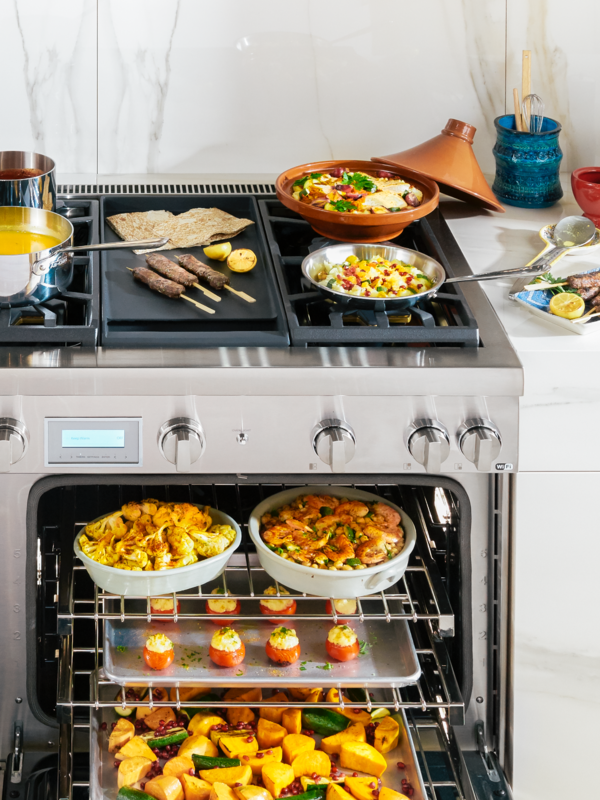


A griddle is a flat cooking surface that gives you a large, even hot zone for pancakes, eggs, bacon, burgers and quick-seared vegetables. Unlike a grill with raised bars, a griddle cooks by direct contact on a continuous metal surface, making it ideal for consistent browning and cooking multiple items at once.
Types of griddles you can use with a stove
Built-in or manufacturer griddle plates
These are accessories made for specific ranges or sold as universal plates by appliance brands. They are sized to fit a cooktop zone and are often non-stick, making them convenient for eggs, fish and toasted sandwiches.
Freestanding stovetop griddles (cast iron or steel)
Heavy plates placed across one or more burners. These are especially popular on gas stoves because open flames provide strong, responsive heat. They are valued for excellent heat retention and searing performance.
Electric or integrated griddle elements
Some stoves and ranges include a dedicated griddle element or flat plate powered electrically. These are less common in home kitchens but offer a built-in solution for frequent griddle cooking.
Griddle materials and practical trade-offs
Cast iron
Offers outstanding heat retention and searing ability. Requires seasoning and routine care to prevent rust, but is extremely durable and long-lasting.
Carbon or seasoned steel
Heats faster than cast iron and develops a natural non-stick surface with regular seasoning. Often lighter and easier to handle.
Cast aluminium with non-stick coating
Used in many manufacturer griddle accessories. Lightweight and easy to clean, but less tolerant of very high heat and metal utensils.
Non-stick coated plates
Convenient for delicate foods such as eggs and fish. Best used according to manufacturer guidelines to preserve the coating.
Which griddle works with my hob?
Gas hobs
Most griddles work well on gas, including cast iron, steel and aluminium plates.
Ceramic or radiant electric hobs
Many universal and brand-specific griddle plates are suitable, but weight and size must match the hob’s specifications to avoid damaging the glass surface.
Induction hobs
Only griddles made from ferromagnetic materials and explicitly marked as induction-compatible will work. Always confirm compatibility before buying.
Avoid placing overly heavy plates on glass-top cookers if the manufacturer does not recommend them.
How to season and maintain a cast-iron or steel griddle
Start by removing factory oils with warm water and drying thoroughly. Apply a very thin layer of high-smoke-point oil, then heat the plate until the oil bonds to the metal. Repeat several times to build a durable surface.
After cooking, scrape off food residue while the surface is warm, wipe clean, dry fully and apply a light oil coating. Re-season fully only if food begins sticking or rust appears.
Safety and everyday tips
Heat griddles gradually and avoid sudden temperature changes.
Use heat-resistant gloves and long-handled utensils.
Avoid metal tools and excessive heat on non-stick surfaces to extend their lifespan.
Where to buy in South Africa
Griddle plates and accessories are available through authorised appliance dealers, brand showrooms and specialist kitchen retailers. When buying, ensure the plate is compatible with your specific stove or hob model.
FAQs
Can I use a cast-iron griddle on an induction hob?
Only if the griddle is induction-compatible and made from ferromagnetic material.
How often should I season my griddle?
Initial seasoning is done once. Ongoing maintenance involves light oiling after use, with full re-seasoning only when necessary.
Are brand-specific griddle plates better than generic ones?
Brand plates are designed for specific cooktops and reduce compatibility risks. Generic plates offer flexibility but require careful specification checks.
Leave a Reply