

How long does a stove usually last?
A stove is one of the hardest-working appliances in any home, so it’s natural to wonder how long it should last before repairs become too frequent or replacement makes more sense.
On average, most household stoves last between 10 and 18 years, depending on the type of stove, how often it’s used, and how well it’s maintained. Some stoves fail much earlier due to neglect or poor installation, while well-maintained units can operate safely and efficiently for years beyond the average.
Here’s a quick overview:
- Gas stoves: ~10–18 years
- Electric stoves: ~10–15 years
- Induction cooktops: ~10–15 years (often electronics-dependent)
These are typical ranges, not guarantees. Real-world lifespan is influenced by several factors explained below.
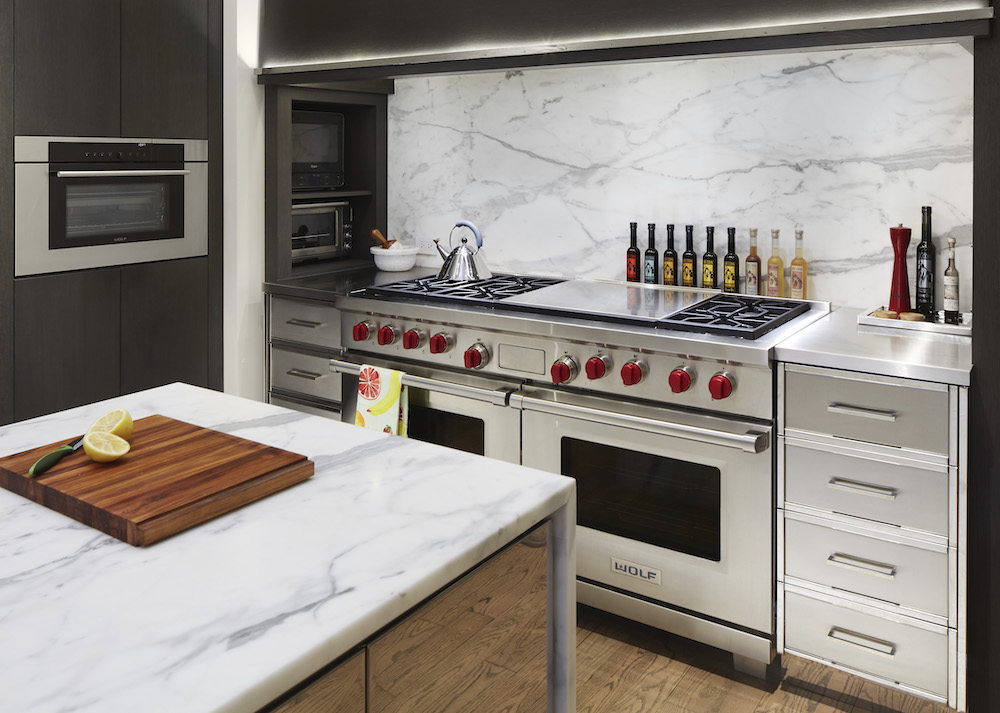
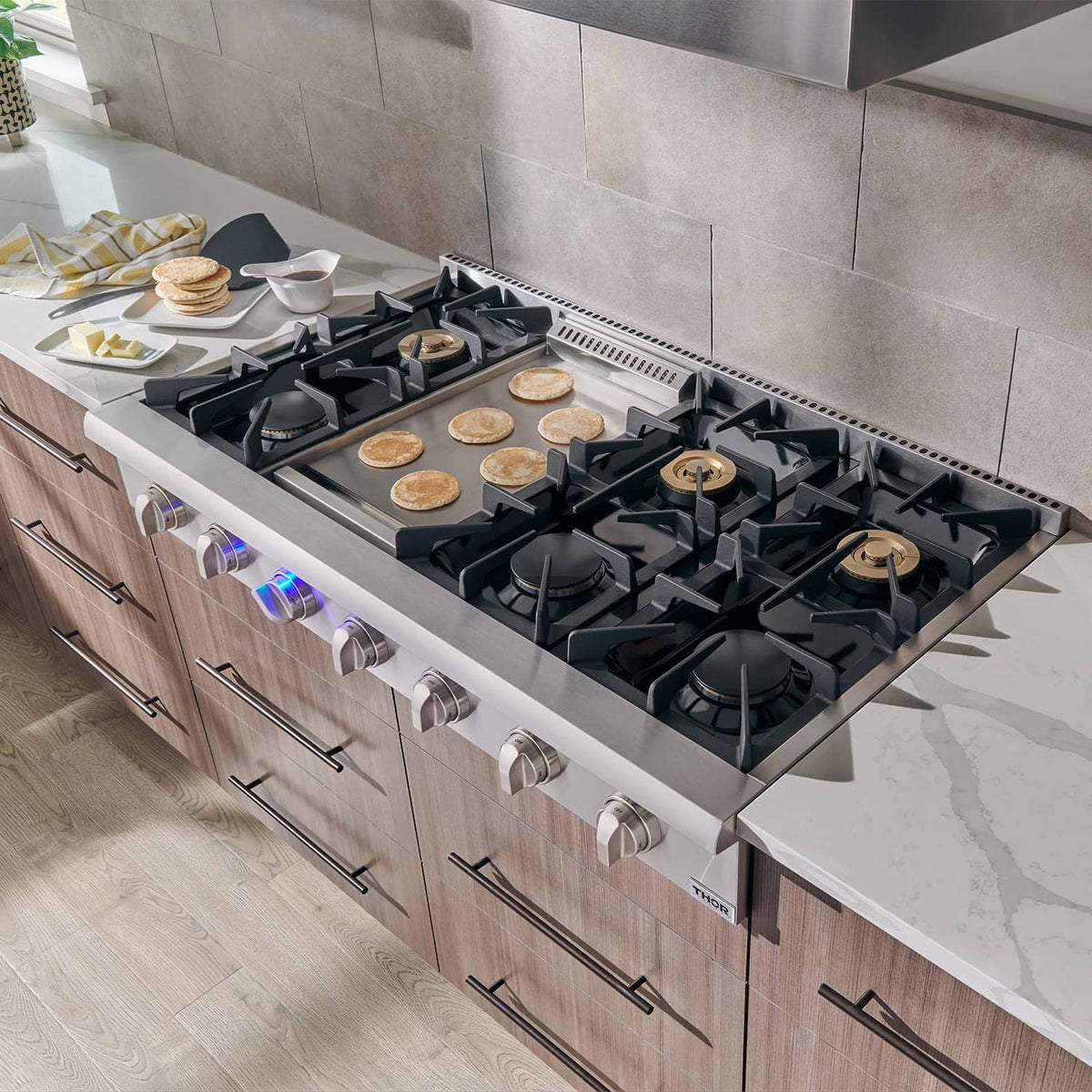
Gas stove lifespan
Gas stoves are known for their durability and repairability. Because many of their components are mechanical rather than electronic, they often last longer than other stove types when properly cared for.
Typical lifespan:
10 to 18 years, with some high-quality models lasting even longer.
Common wear-and-tear issues:
- Faulty igniters or pilot lights
- Blocked or corroded burner ports
- Worn gas valves
- Oven temperature inconsistencies
Why gas stoves often last longer:
- Fewer complex electronic components
- Individual parts (igniters, burners, knobs) are usually replaceable
- Heat output is immediate and consistent, reducing strain on components
What shortens gas stove life:
- Grease buildup around burners
- Ignition systems exposed to spills
- Poor ventilation and lack of annual gas safety checks
With regular cleaning and professional gas inspections, a gas stove can be one of the longest-lasting cooking appliances in a home.
Electric stove lifespan (coil & glass-top)
Electric stoves are common in many homes and apartments, especially where gas isn’t available. They are reliable but more dependent on heating elements and electronic controls.
Typical lifespan:
10 to 15 years
Common problems:
- Burned-out heating elements
- Cracked or scratched glass cooktops
- Failing control switches or circuit boards
- Uneven heating over time
Coil vs glass-top:
- Coil stoves are usually cheaper to repair, as elements can be replaced individually.
- Glass-top stoves look modern but are more expensive to fix if the surface or internal electronics fail.
What shortens electric stove life:
- Heavy cookware dropped on glass surfaces
- Frequent spills that seep into control areas
- Power surges or unstable electricity supply
Electric stoves benefit greatly from careful use and protection against electrical damage.
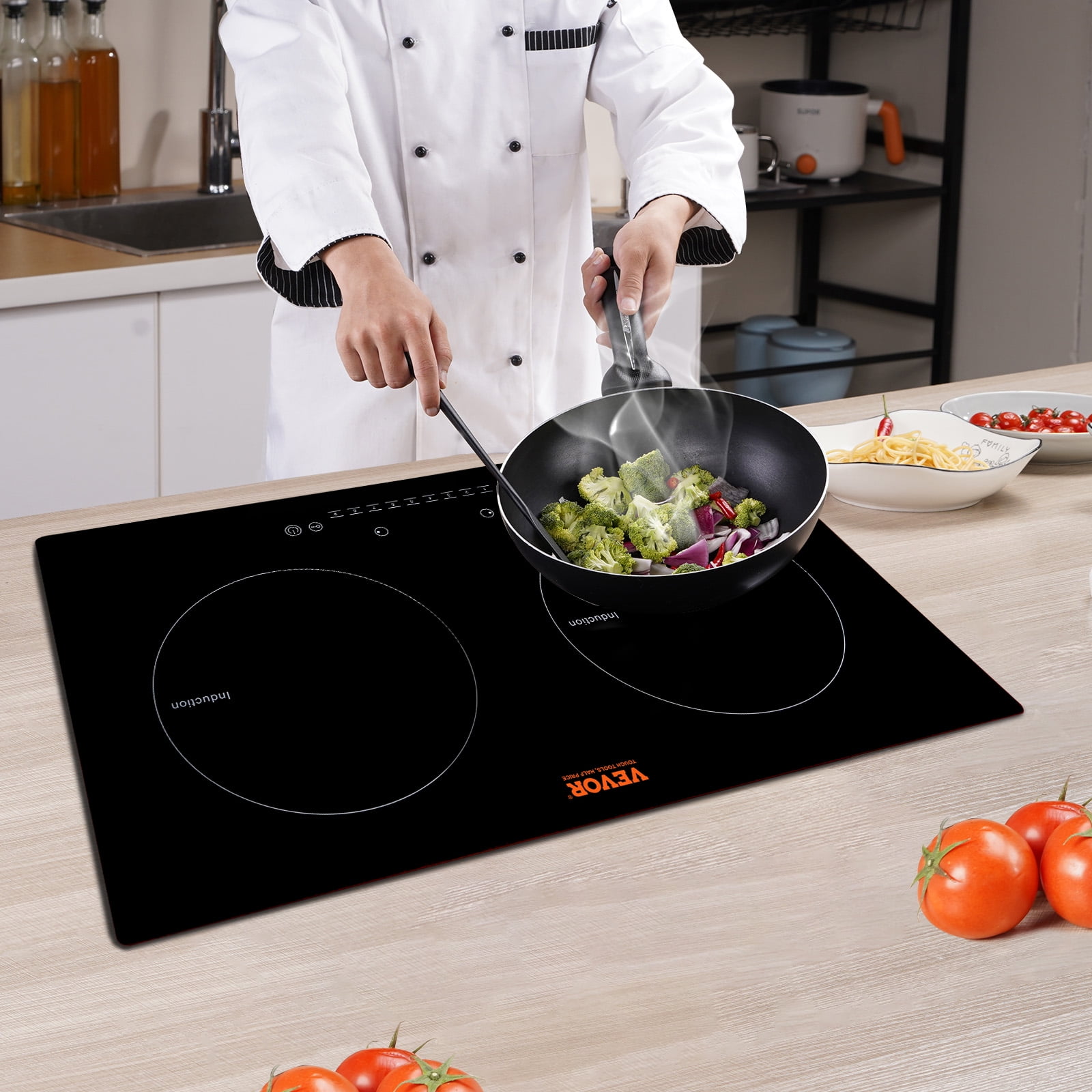
Induction cooktop lifespan
Induction cooktops are efficient, fast, and modern, but their lifespan depends heavily on electronic components rather than heat elements alone.
Typical lifespan:
Around 10 to 15 years, depending on build quality and usage patterns.
Common issues:
- Control board failures
- Sensor malfunctions
- Power supply or inverter problems
Key factors affecting induction lifespan:
- Quality of internal electronics
- Total operating hours (frequent daily use reduces lifespan)
- Use of compatible cookware
While the glass surface itself is very durable, the advanced electronics underneath are often expensive to repair, which can shorten the practical lifespan if major components fail.
What affects stove lifespan the most?
Several factors play a major role in how long a stove lasts:
1. Frequency of use
Daily, high-heat cooking puts more strain on burners, elements, and electronics than occasional use.
2. Cleaning and maintenance
Grease, spills, and food debris cause corrosion, overheating, and component failure over time.
3. Installation quality
Incorrect gas connections or electrical wiring can damage internal parts and create safety risks.
4. Repairs done early vs late
Fixing small problems early often prevents bigger, more expensive failures later.
5. Build quality and spare parts
Stoves with easily available replacement parts tend to stay in service longer.
Signs your stove is reaching the end of its life
A stove doesn’t usually fail all at once. Instead, it gives warning signs that replacement may soon be necessary.
Key red flags include:
- Frequent breakdowns or repeated repairs
- Repair costs approaching 50% or more of replacement cost
- Inconsistent heating or temperature control
- Visible rust, warped metal, or cracked glass
- Electrical faults or gas safety concerns
- Replacement parts no longer available
If your stove is already older than its typical lifespan and multiple issues appear at once, replacement is usually the safer and more cost-effective choice.
Repair vs replace: a simple rule
Ask yourself three questions:
- How old is the stove?
If it’s near or beyond its expected lifespan, repairs may only buy short-term relief. - How much is the repair?
If repair costs exceed half the price of a new stove, replacement usually makes more sense. - Is it a safety issue?
Gas leaks, electrical faults, or cracked glass cooktops should never be ignored.
If safety is involved, replacement is almost always the better option.
How to extend the lifespan of your stove
Simple habits can add years to your stove’s life.
Daily & weekly
- Wipe spills as soon as the stove cools
- Clean burners, coils, or glass surfaces gently
- Avoid dragging heavy pots across glass tops
Monthly
- Check burner ports for blockages
- Inspect oven door seals for heat loss
- Clean extractor or hood filters
Yearly
- Have gas stoves inspected by a qualified technician
- Check electrical connections if performance changes
- Address small faults before they worsen
Extra tips
- Use cookware recommended for your stove type
- Avoid excessive high-heat cooking when not necessary
- Protect electric and induction stoves from power surges
Warranty and lifespan expectations
Most new stoves come with 1–2 year manufacturer warranties, covering parts and labour. While warranties don’t reflect total lifespan, they do indicate how confident manufacturers are in their products.
Extended warranties may help with electronic-heavy stoves, but regular maintenance is often more effective than any service plan.
Final thoughts
A stove is a long-term investment, and understanding its expected lifespan helps you plan ahead. While most stoves last 10–18 years, good maintenance, proper installation, and timely repairs can make a significant difference.
If your stove is performing well and repairs are minor, extending its life is usually worthwhile. But if safety issues or major failures arise near the end of its lifespan, replacement is often the smarter choice.
By knowing what to expect — and how to care for your stove — you can avoid surprises and get the best value from one of the most important appliances in your home.
Leave a Reply